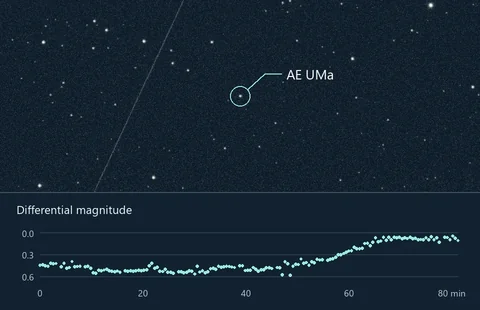
Differential Photometry
Find exoplanets and variable stars
Find all the exoplanets and variables stars in your image and measure them automatically. Create animations of how they change their brightness.
Measure a light curve ↗
Science, education, and arts
Hi, I’m
Astrophotographer, astrophysicist,
and science communicator.
Find me
I'm a scientist, visual artist, and science communicator working at the intersection of physics, astronomy, technology, and visual storytelling.
I'm currently a PhD candidate in Physics at Michigan Tech, specializing in astrophysics. My research focuses on superluminal phenomena in dispersive media, particularly the theory, coherence, and observability of Cherenkov radiation. My work bridges theoretical physics, numerical modeling, and the detection of high-energy phenomena.
For more than five years, I've been part of NASA's Astronomy Picture of the Day (APOD) team as a guest editor, outreach specialist, and software engineer. APOD reaches a global audience and is translated into more than 20 languages.
I've been communicating science to the public for more than a decade. I founded Rasyonalist, one of Turkey's major popular-science platforms, where I wrote more than 300 articles, edited more than 1,000, and led a team of over 10 volunteers before its merger with Evrim Ağacı, Turkey's largest popular-science organization.
Today, much of my outreach centers on video, scientific visualization, and educational technology. I create content about astronomy, physics, and the process of science—not only explaining what we know, but how we know it, and how to reason critically about evidence. I previously created more than 70 video scripts for Barış Özcan and Evrim Ağacı, reaching a combined audience of over 55 million views, and I now focus primarily on my own YouTube channel and independent science projects.
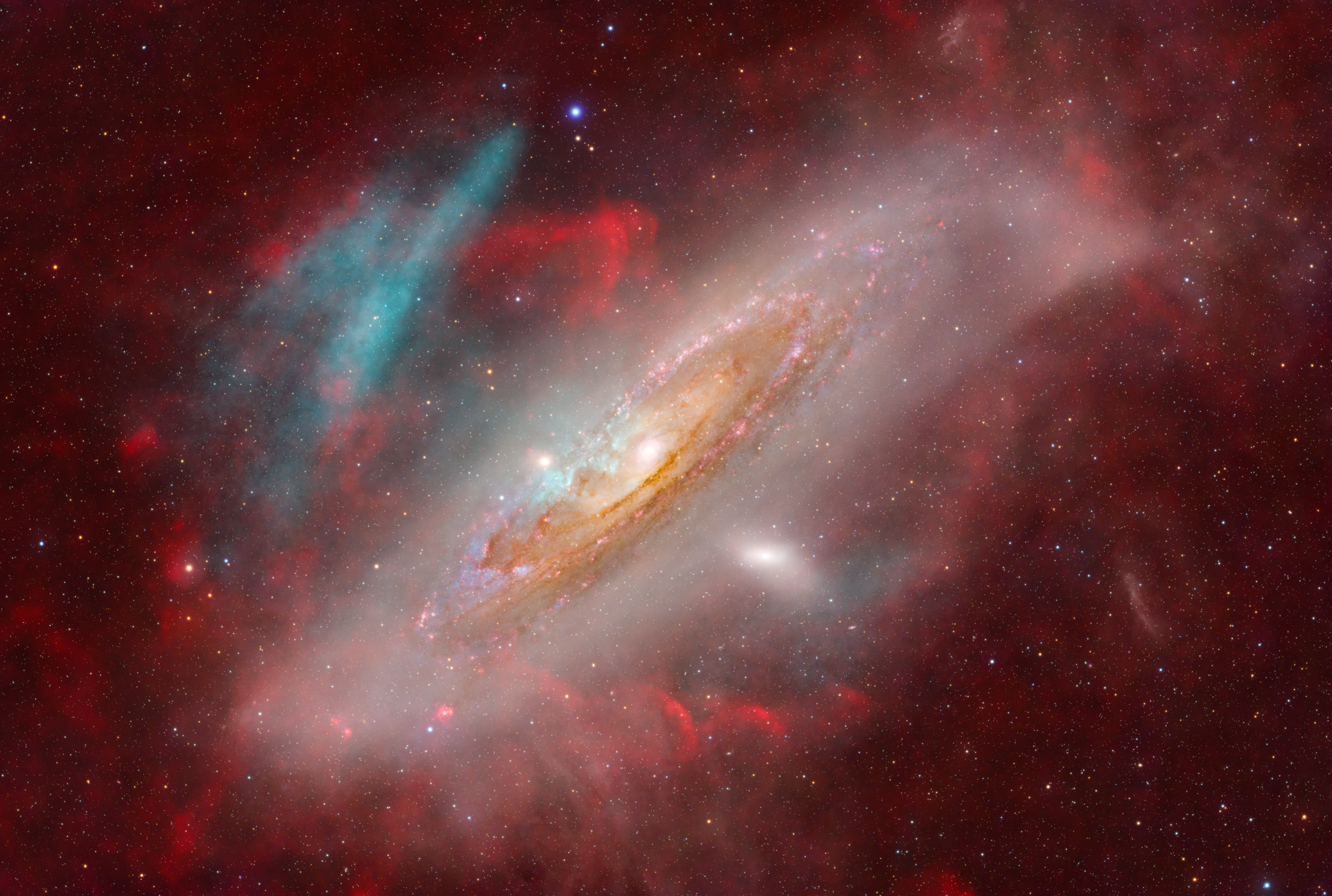
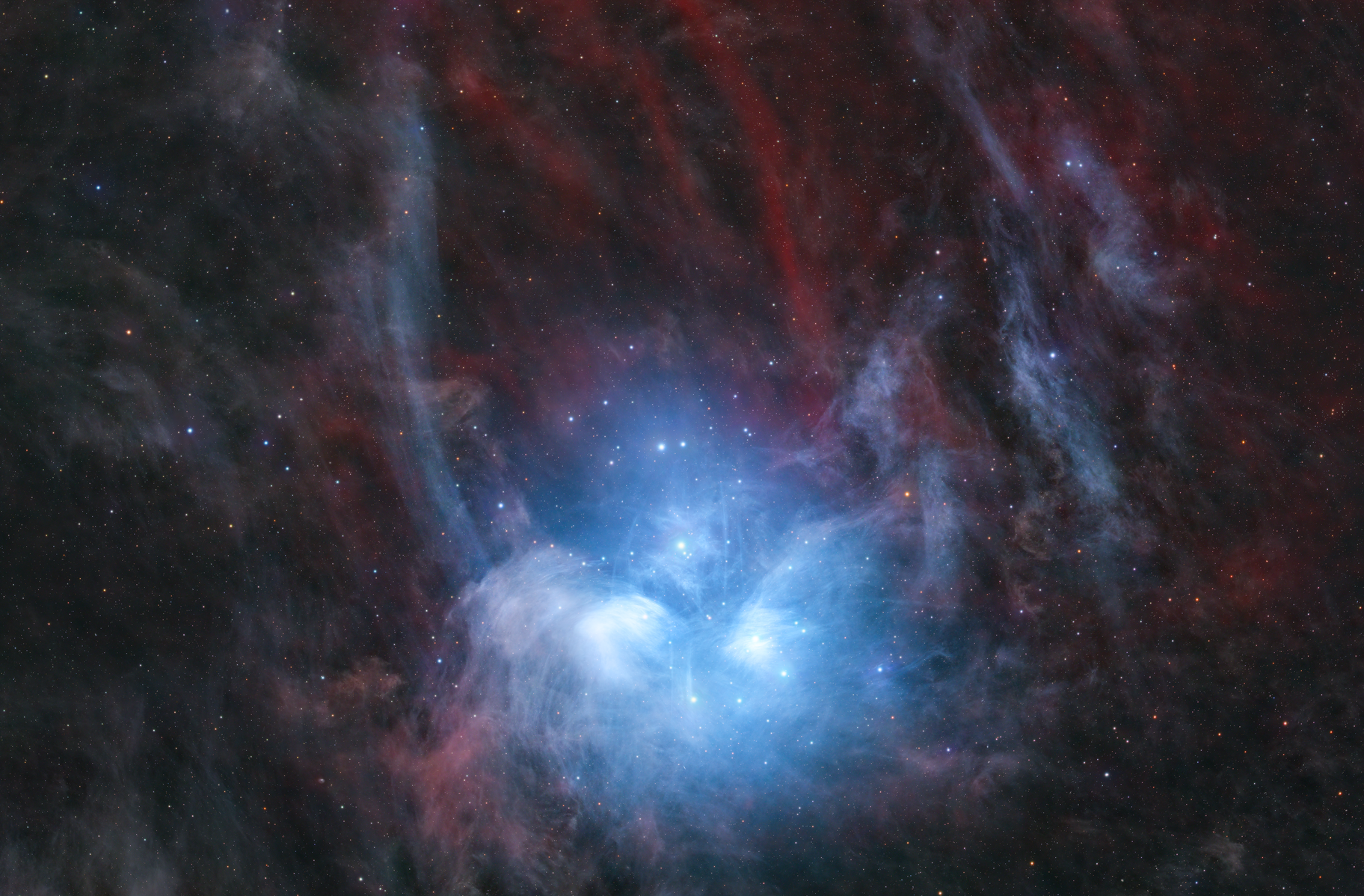
I'm also a photographer with more than 15 years of experience, specializing in astrophotography. My work combines scientific curiosity with artistic interpretation and has been awarded internationally and featured by platforms including APOD, AstroBin, Astronomy Magazine, ScopeTrader, and Sky & Telescope.
Your exposures can reveal a changing star, a passing comet, or a faint shell of gas. You can start without your own images. Download an example dataset, or explore public sky surveys and the Gaia star catalog in CAst.
Discovery tools
Start with a series you’ve already taken. Look for a change in brightness, position, or the field itself.
Differential Photometry
Find all the exoplanets and variables stars in your image and measure them automatically. Create animations of how they change their brightness.
Measure a light curve ↗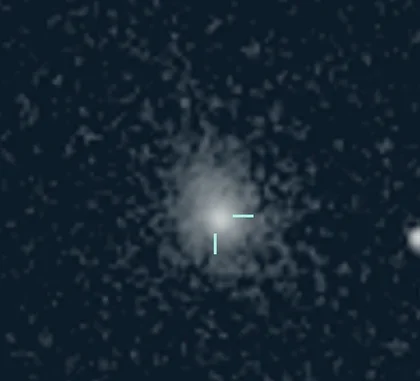
Asteroid / Comet Detection
Blink your images and find all the comets and asteroids in your image. Create animations that track them and measure how their brightness change.
Track a moving object ↗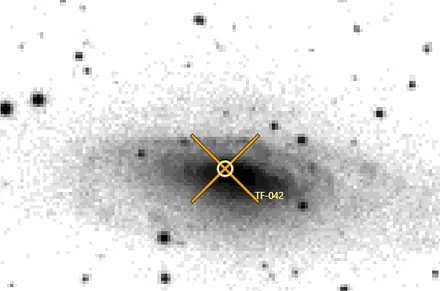
Transient Finder
Find if a supernova appeared in one of your images and be the discoverer! The program will automatically search across your images and find anything that appears or disappears.
Inspect a candidate ↗Sky Explorer
Put your image side-by-side with a survey image and check whether that structure has been observed before. You can click and search that area in scientific literature to find the objects that are listed in multiple databases.
Compare a field in Sky Explorer ↗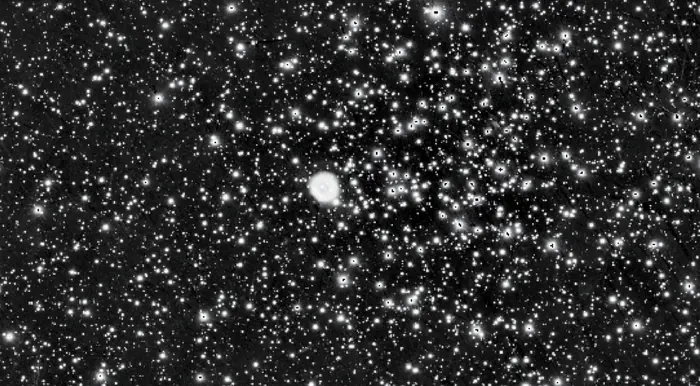
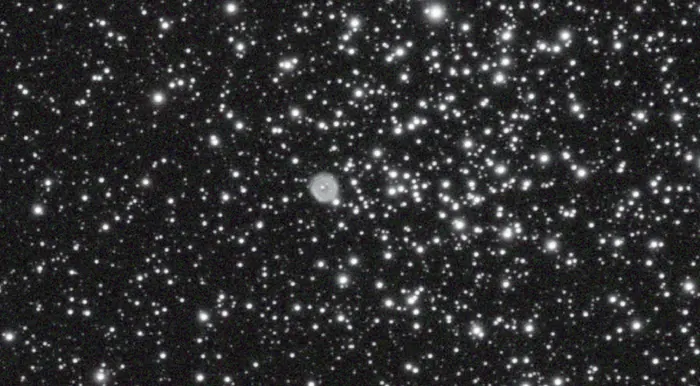 Your imageSurvey
For classrooms & creators
Project an experiment in class, build a map from your photographs, or share the making of your latest image.
Deep Stack
See the galaxy’s dust lanes emerge as the exposures accumulate. Export the stack as a film for your class or your next observing post.
Make a stacking filmBinary Lab
Follow the two stars through an orbit. The moving marker on the light curve shows when the system dims as one star passes in front of the other.
Explore eclipsing starsHR Diagram
Follow each highlighted star from the M46 photograph to its position on the diagram. Its color and absolute brightness help you compare it with its neighbors.
Explore the HR diagramSky Atlas
Start with the outline of Cygnus, then follow the atlas toward Deneb to see three hydrogen-alpha images placed at their sky coordinates.
Put your own photograph on the sky.Distance Map
Rotate the M46 field. Stars that appear close together in a photograph spread apart in depth when CAst plots their Gaia distances.
Explore the 3D mapScience communication
Astronomy, physics, and experiments, explained visually.
 Yapay Zeka Milyon Dolarlık Problemi Çözdü Ama...
 170 Işık Yılı Uzaktaki İki Yıldızın Birbirine Değme Anını Fotoğrafladım!
 Perseid Meteor Yağmurunu Kaçırmayın! #uzay #evren #astronomi #meteor #teleskop #göktaşı
 Perseid Meteor Yağmuru Zirve Yapacak!
 Kendi teleskobumla asteroid keşfetmek için 150 bin satırlık program geliştirdim
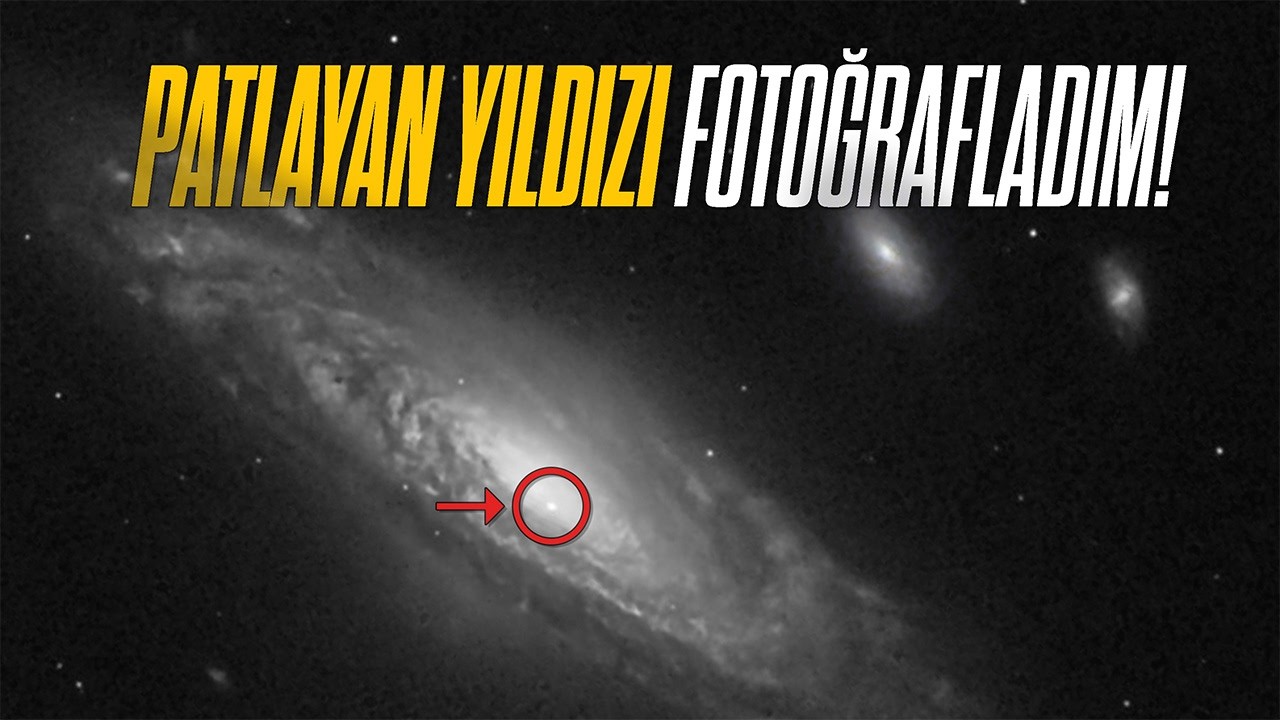 Teleskobumla 45 milyon ışık yılı ötedeki patlamayı çektim!
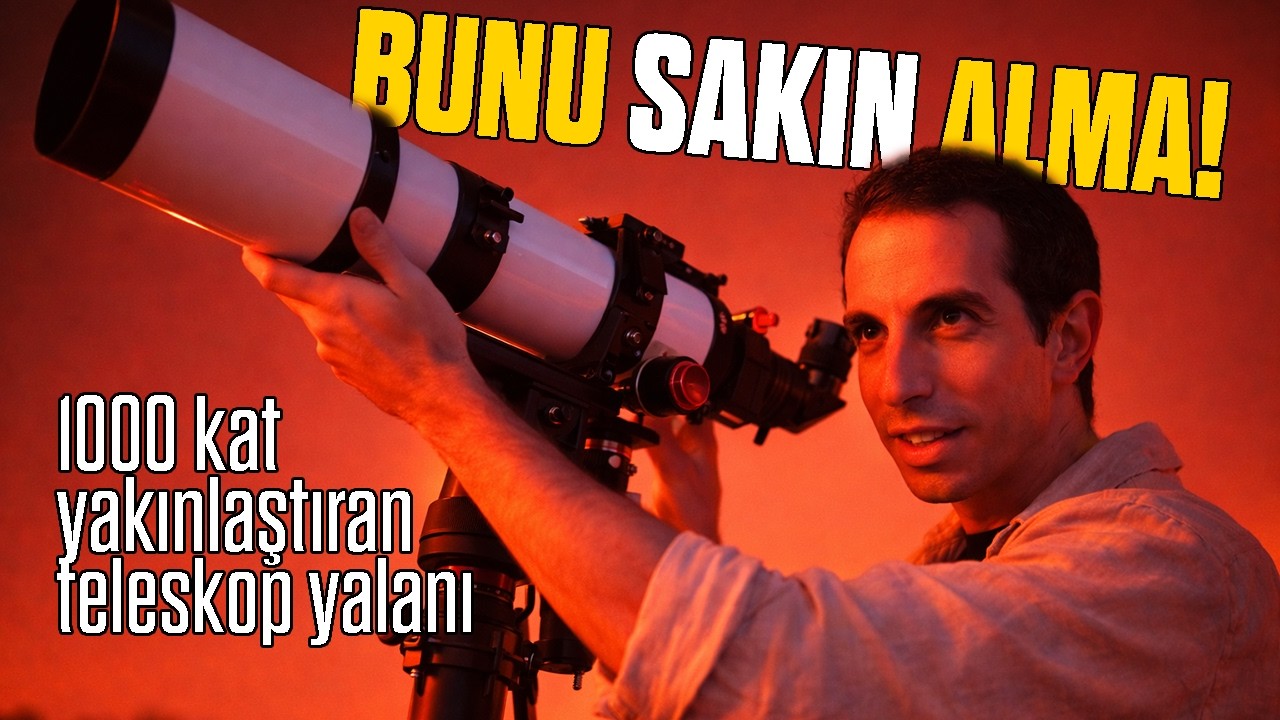 Artık Herkes Uzayı Fotoğraflayabilir (Paranı Yakma): Hangi Teleskobu Almalıyım?